MINUMENTAL
This ongoing series of large-scale and smaller drawings & collage works on paper present art museums from around the world (the new Tate Modern, EMST, the Acropolis Museum, WIELS, MACBA) along with monuments from the past, such as Stonehenge. They become bibliographic sculptures, in which the chunkiness of the codex is used as a building block, volumes literally volumising space, while a script of titles and authorial names is deployed across surfaces as if urban graffiti, or late-night neon inscription.
For Mitrentse, the activity of drawing is far more than a means of deceptive representation. It serves her heterotopic practice as a tool for critical enquiry, for mapping space and ultimately the construction of distinct worlds. In this complex universe, drawing functions as a super metaphor twisting its way through her work, constantly opens up visual possibilities. This privileging of drawing fits into its wider resurgence, no longer a mere preparation for something bigger, but an autonomous art form, hand-held, a powerfully inclusive technique. Mitrentse’s work confirms Joseph Beuys' proposition that drawing is "a special kind of thought". That is, a highly charged species of conceptual drawing that avoids visceral gesture, being primarily intended to make the viewer ponder their ‘text’ of civilisation in crisis. Mitrentse has also stressed an interest in how “time can be captured/or represented by just the use of grey scale that comes from pencil and graphite” and reconstructing time through “the imagery of blocks- i.e. heritage, monuments” etc. What Mitrentse calls “shifting touch” is facilitated through smashing colour pastel into powder, smudginess itself becoming a symbolic overlay of the new, or in this context bibliographic input from international contributors, i.e. artists, writers, curators, museologists, each adding to the construction of an infinite library entitled ATML.
Thus in “Stonehenge”, which refers to an iconic example of architectural heritage in the UK, the site is rendered in a non-empirical way, and a manner that causes both nostalgia and alienation. The temenos glows with accumulated knowledge embodied in the book as a source of wisdom. While the bibliographic levelling out of the chimney at “New Tate” is dialectically related to the Skoob towers of renowned British artist John Latham. The reading matter in “Ruin I” is shown at the point of disintegration. Based on dystopian novel Fahrenheit 451 (1953) by Ray Bradbury, this decaying information dump signals one possible “end” for the institution. High and low culture cease to differ. Rot rules. History becomes a list of legendary titles, a delirium.
Michael Hampton 2011
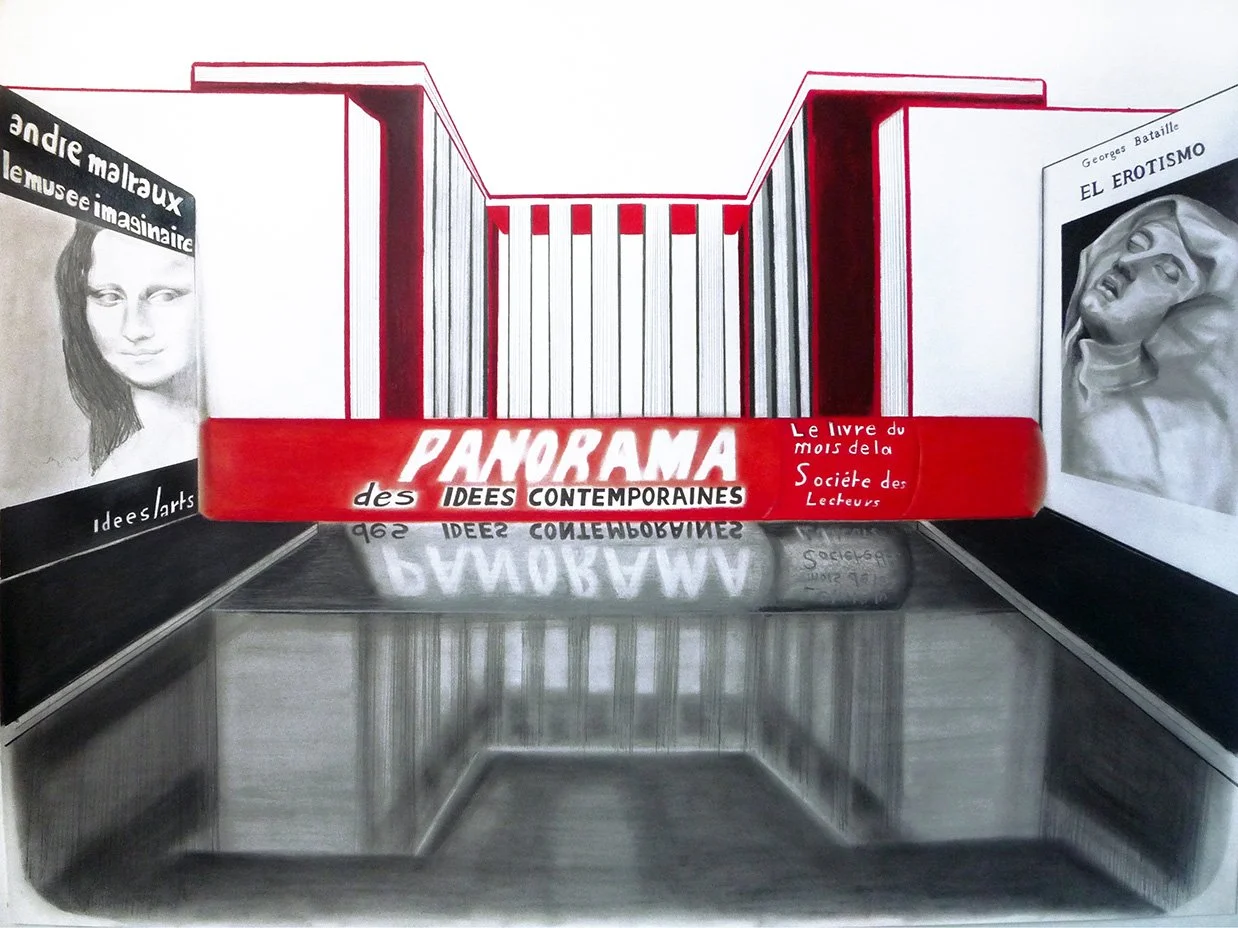
PALAIS DE TOKYO - mixed media drawing on 400gsm paper, 120x150cm
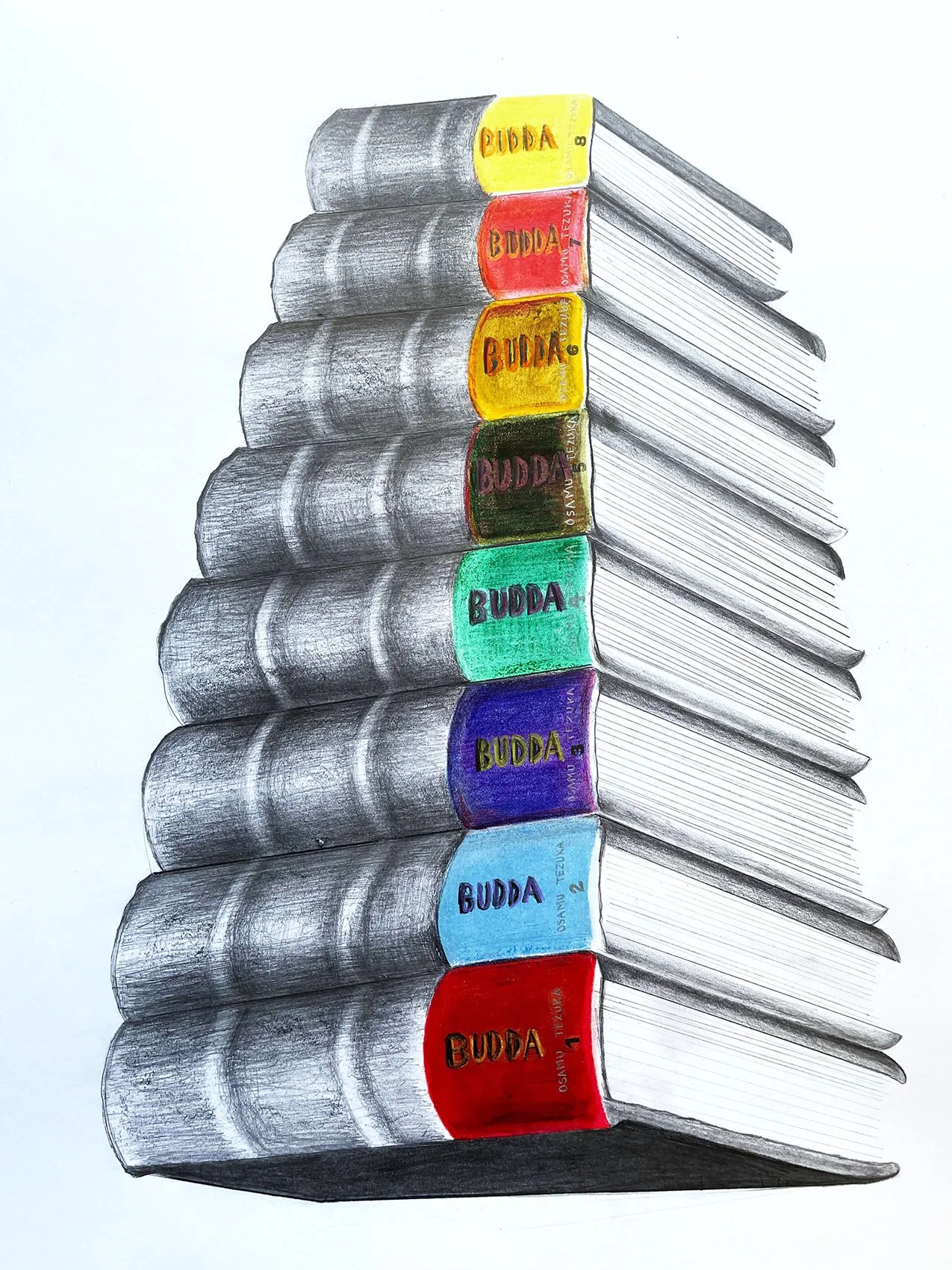
BUDDHIST TEMPLE PAGODA, CHINA - mixed media on paper , 50x70cm

EMST, Athens, Greece - drawing on paper, 120 x150cm, 2022
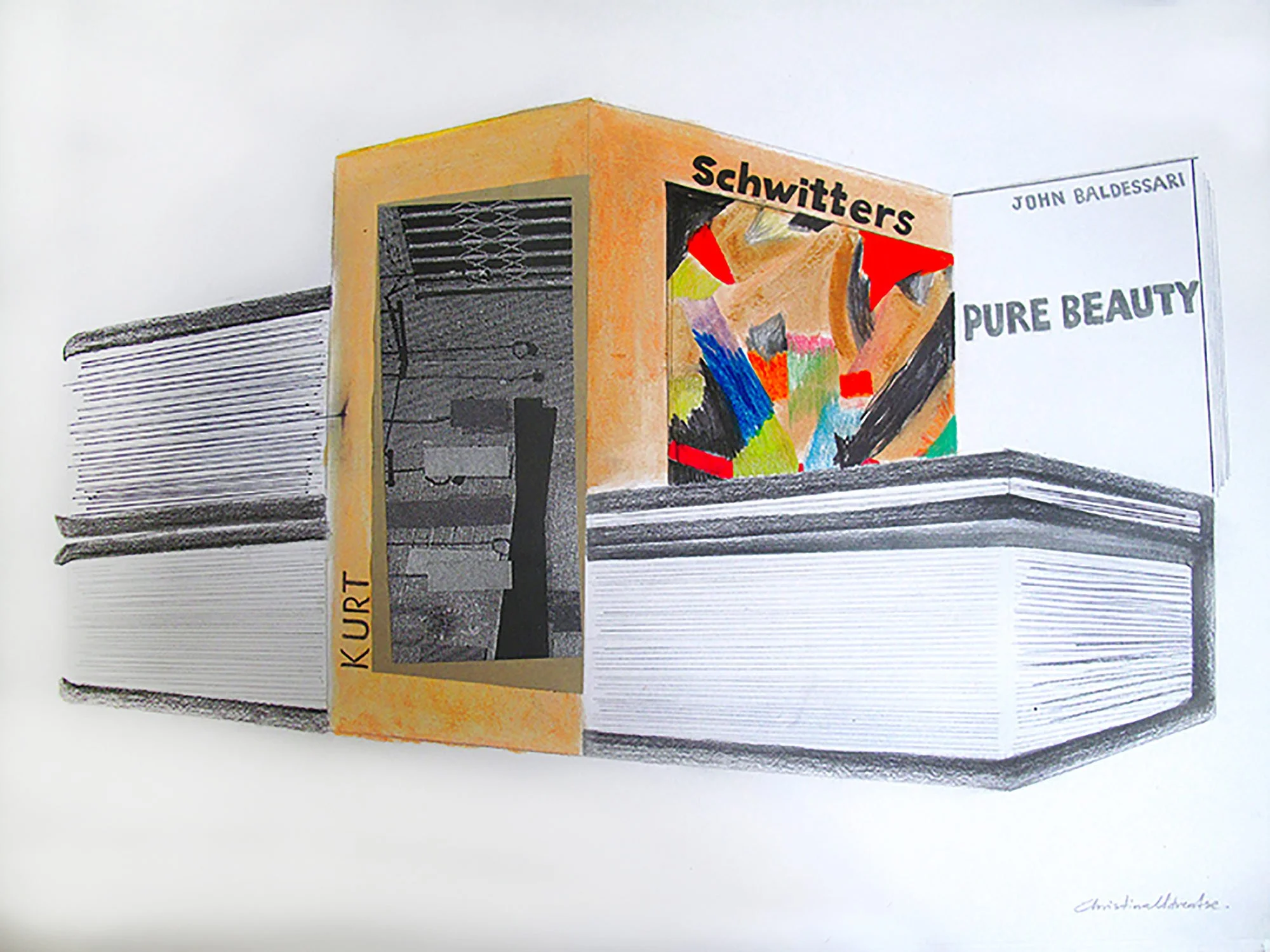
Berlinische gallery - 50 x70 cm, drawing and collage on paper, 2021
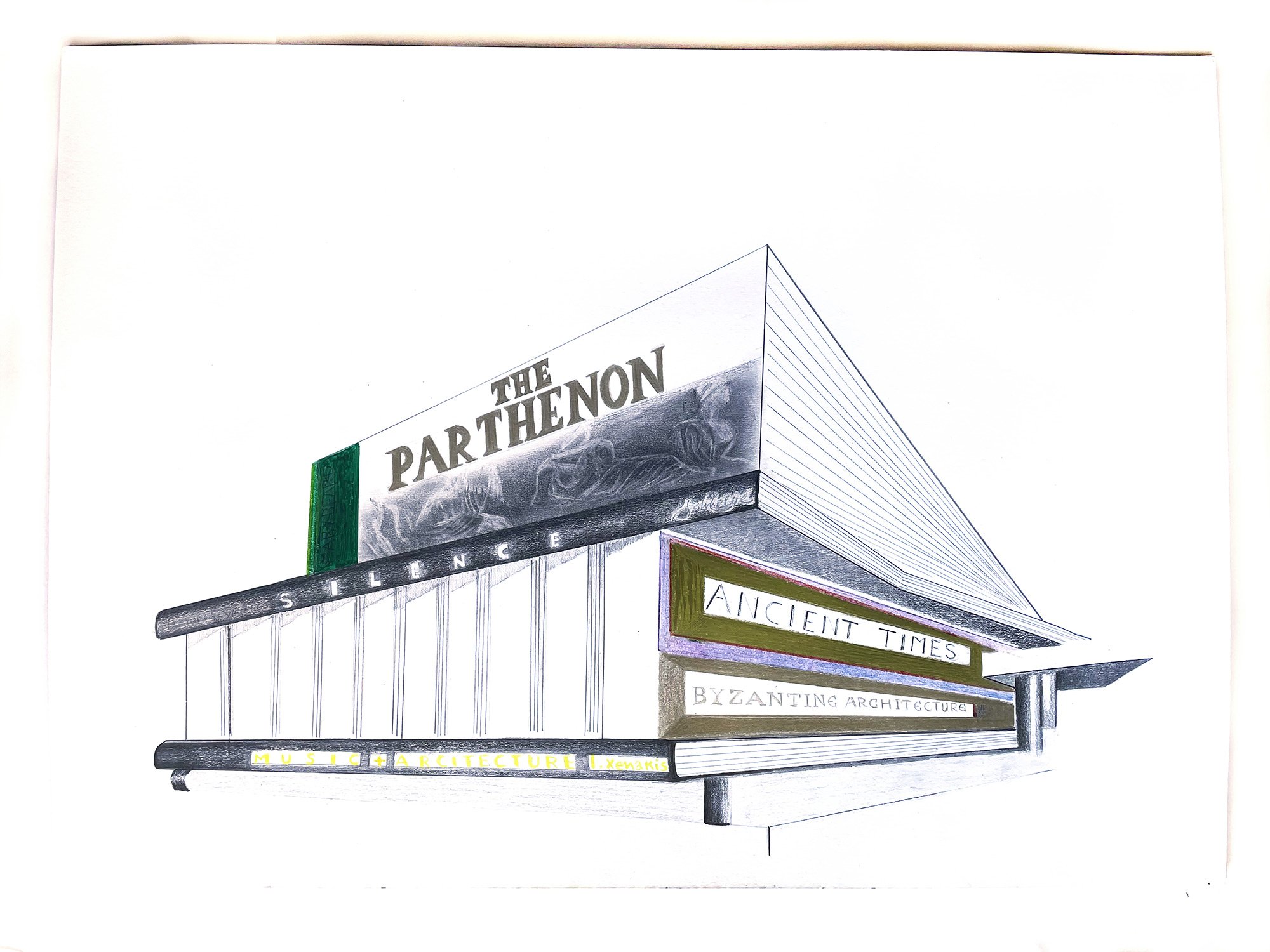
Acropolis Museum, Athens, Greece - drawing on 300gsm paper, 50 x70cm, 2022
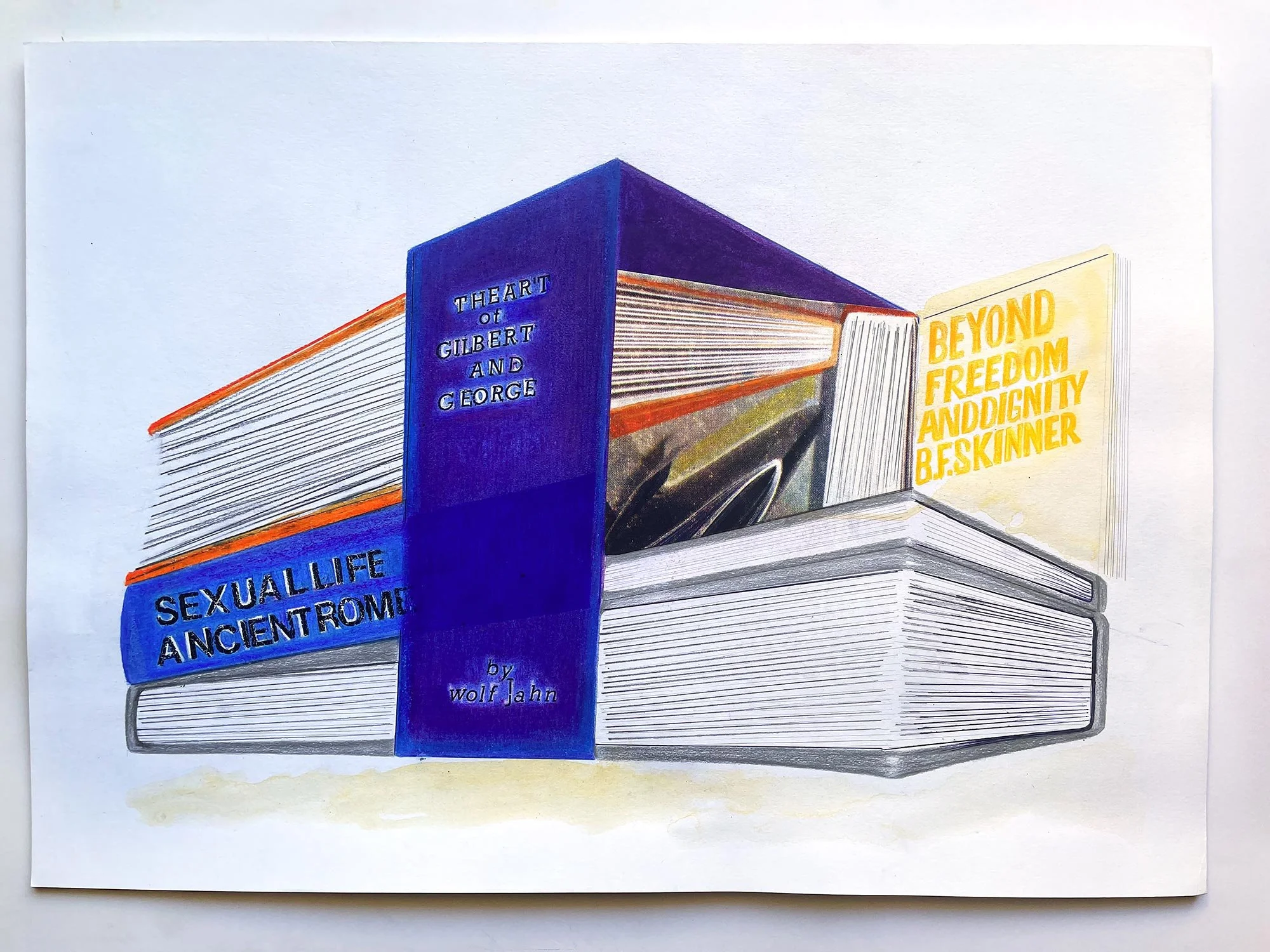
BERLINESCHE GALLERY - drawing and collage on paper, 50 x70cm , 2021
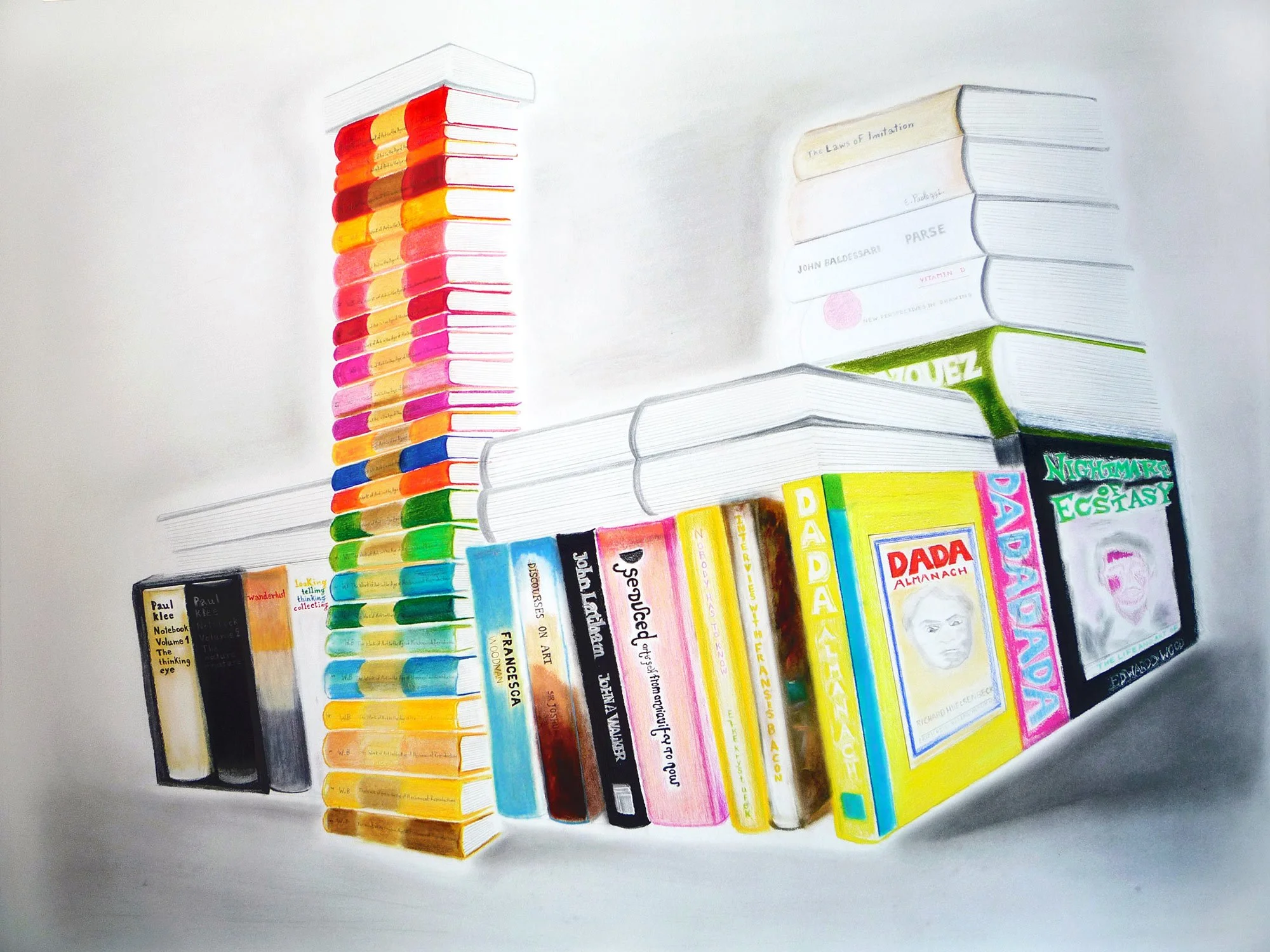
NEW TATE MODERN - coloured pencils and graphite powder on 400gsm paper, 150 x 120 cm
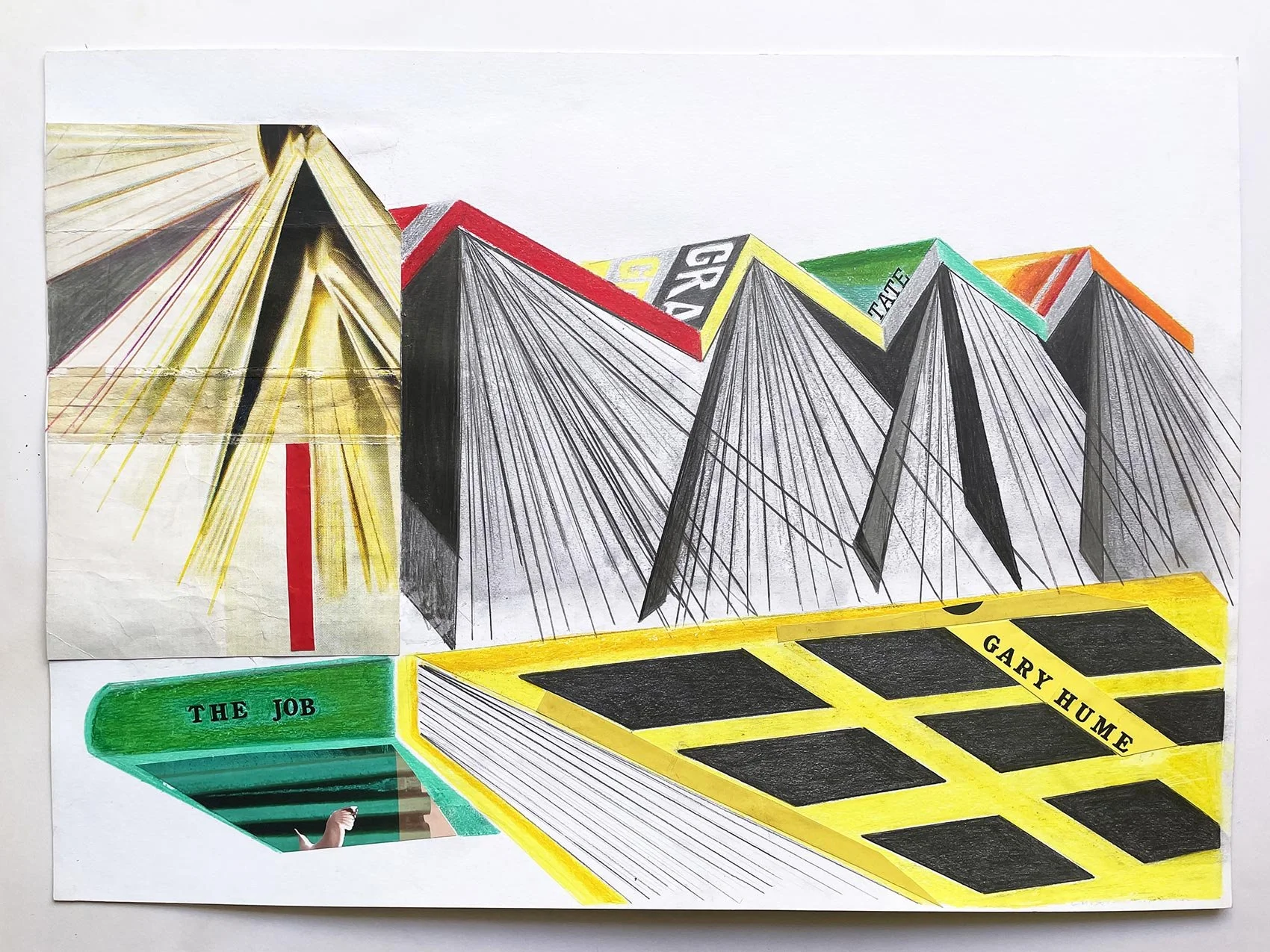
Krakow Centre of Contemporary Art - 50x70cm, drawing and collage on paper, 2021
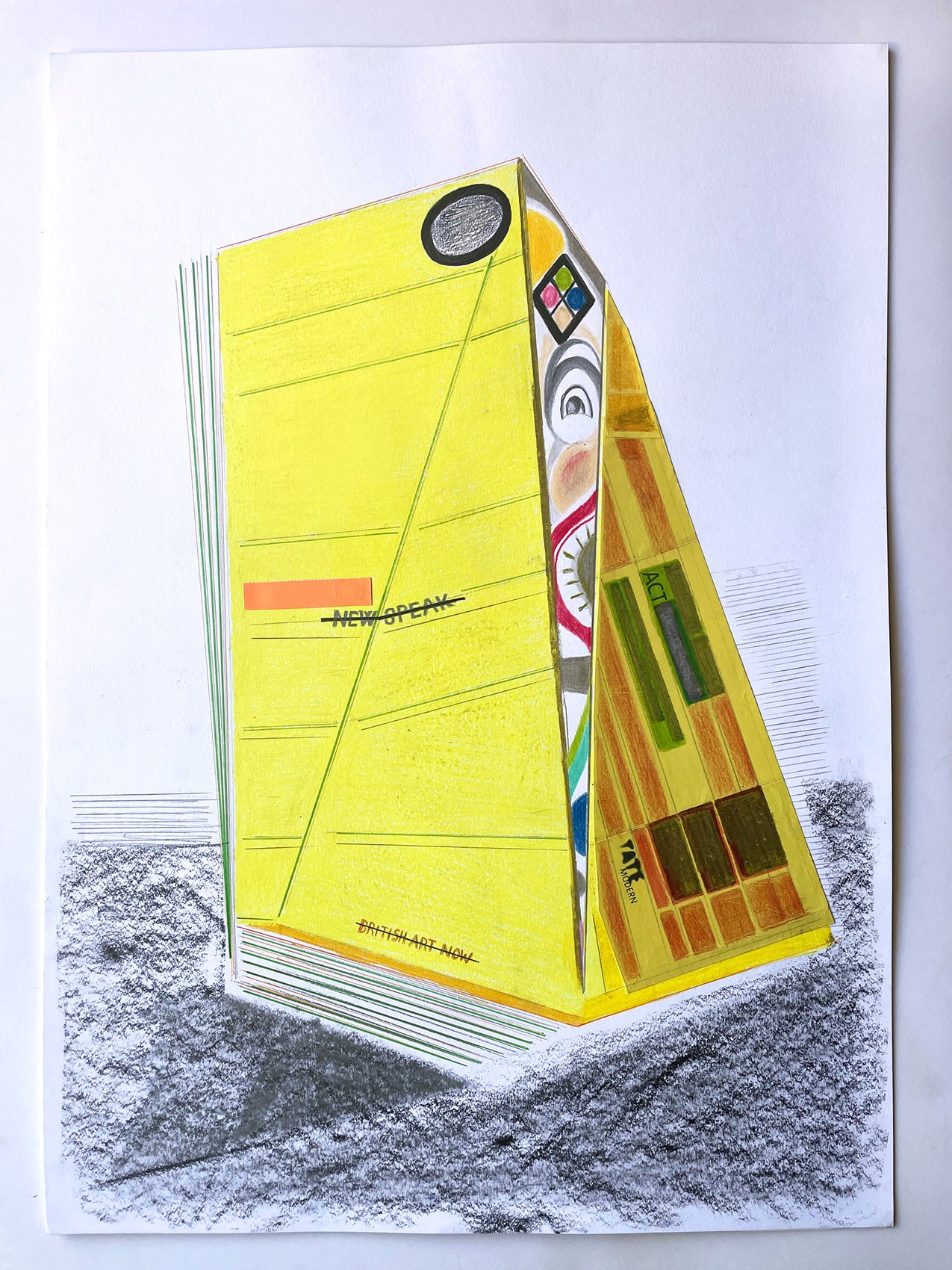
Blavatnik building, Tate Modern, London,UK - drawing & collage on paper, 50x70cm
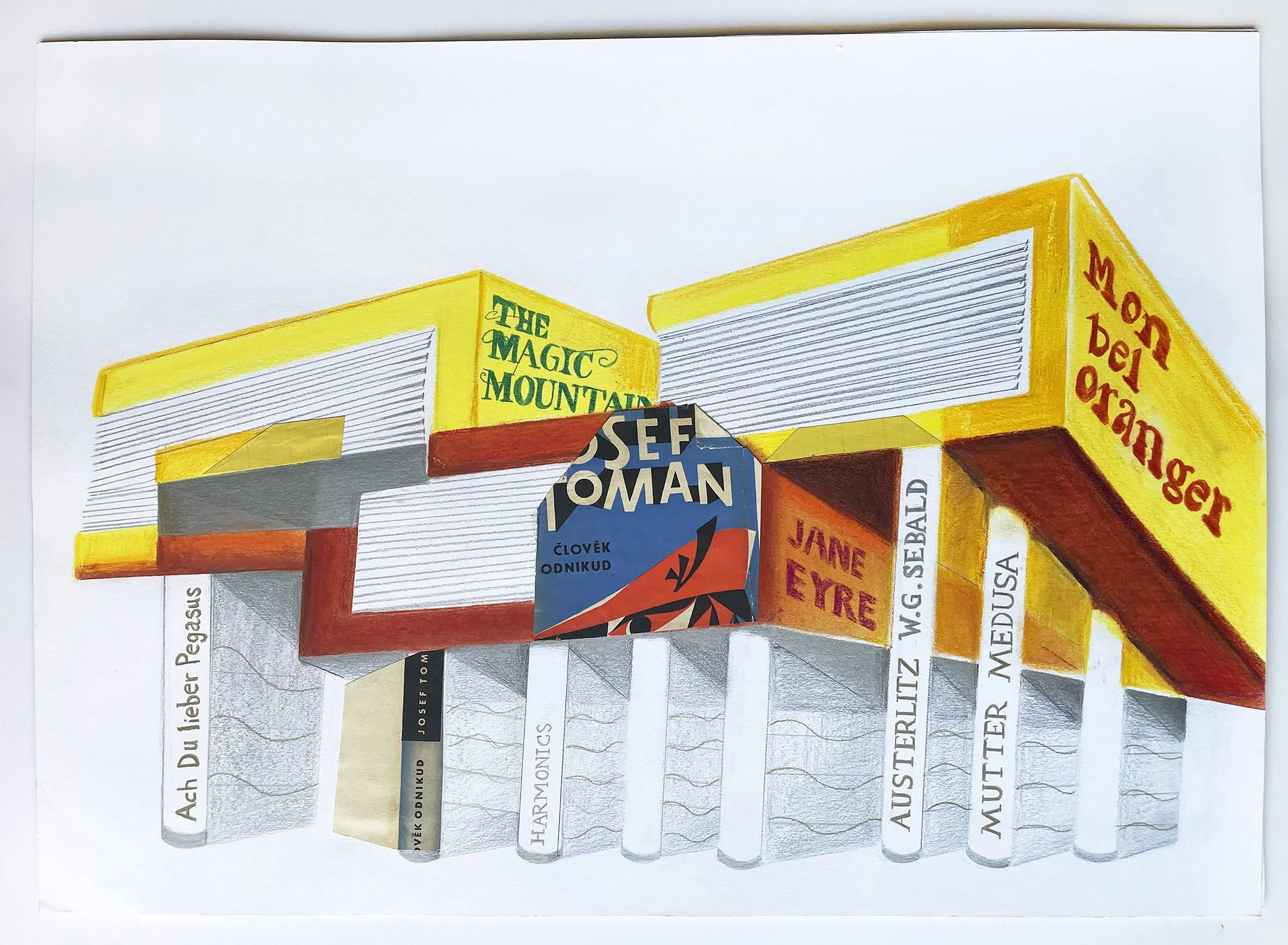
Contemporary Art Museum, Zagreb - drawing on 300gsm paper, 50x70cm
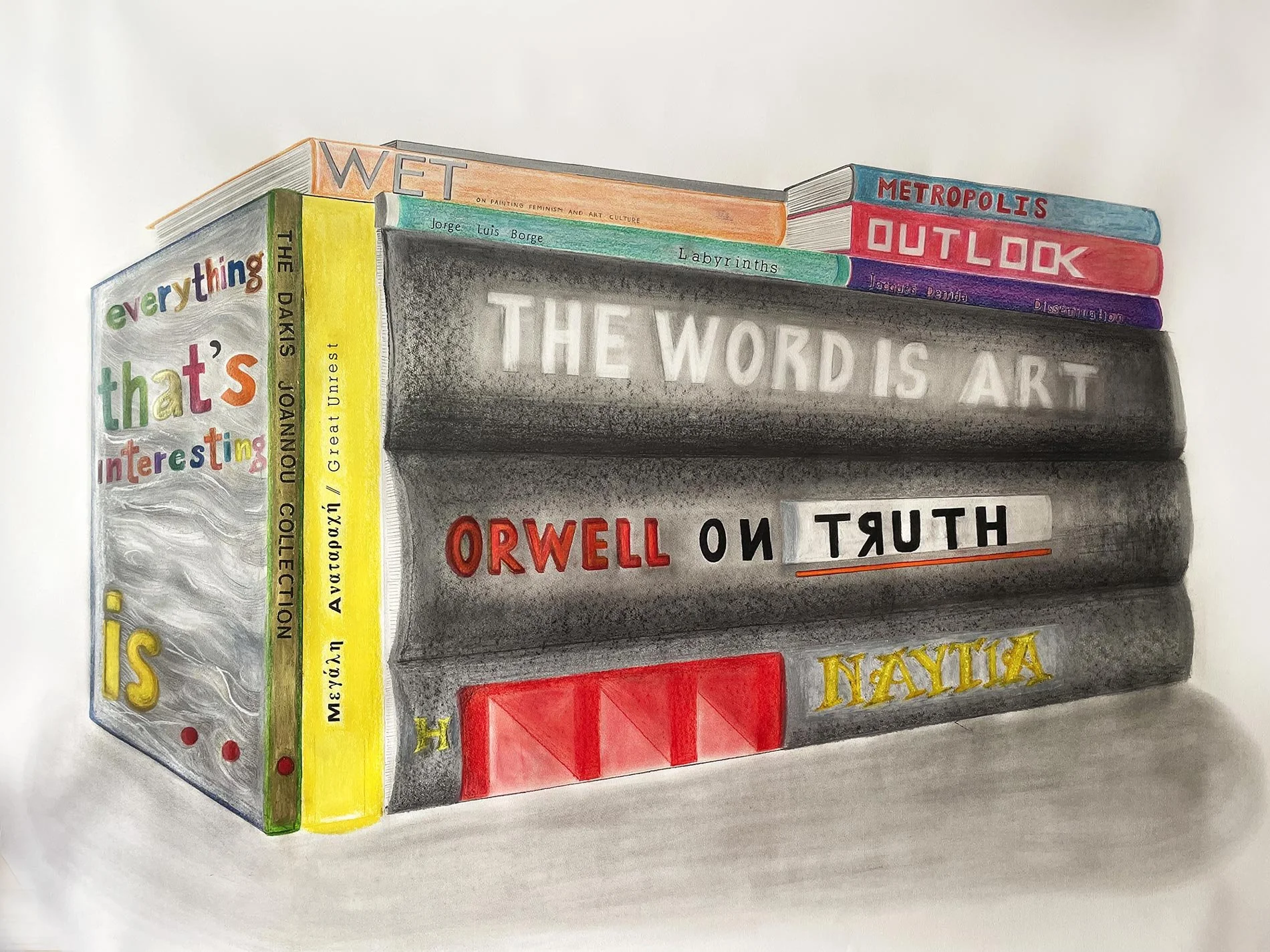
EMST, Athens, Greece coloured - 150x120cm, drawing on 300gsm paper, 2022
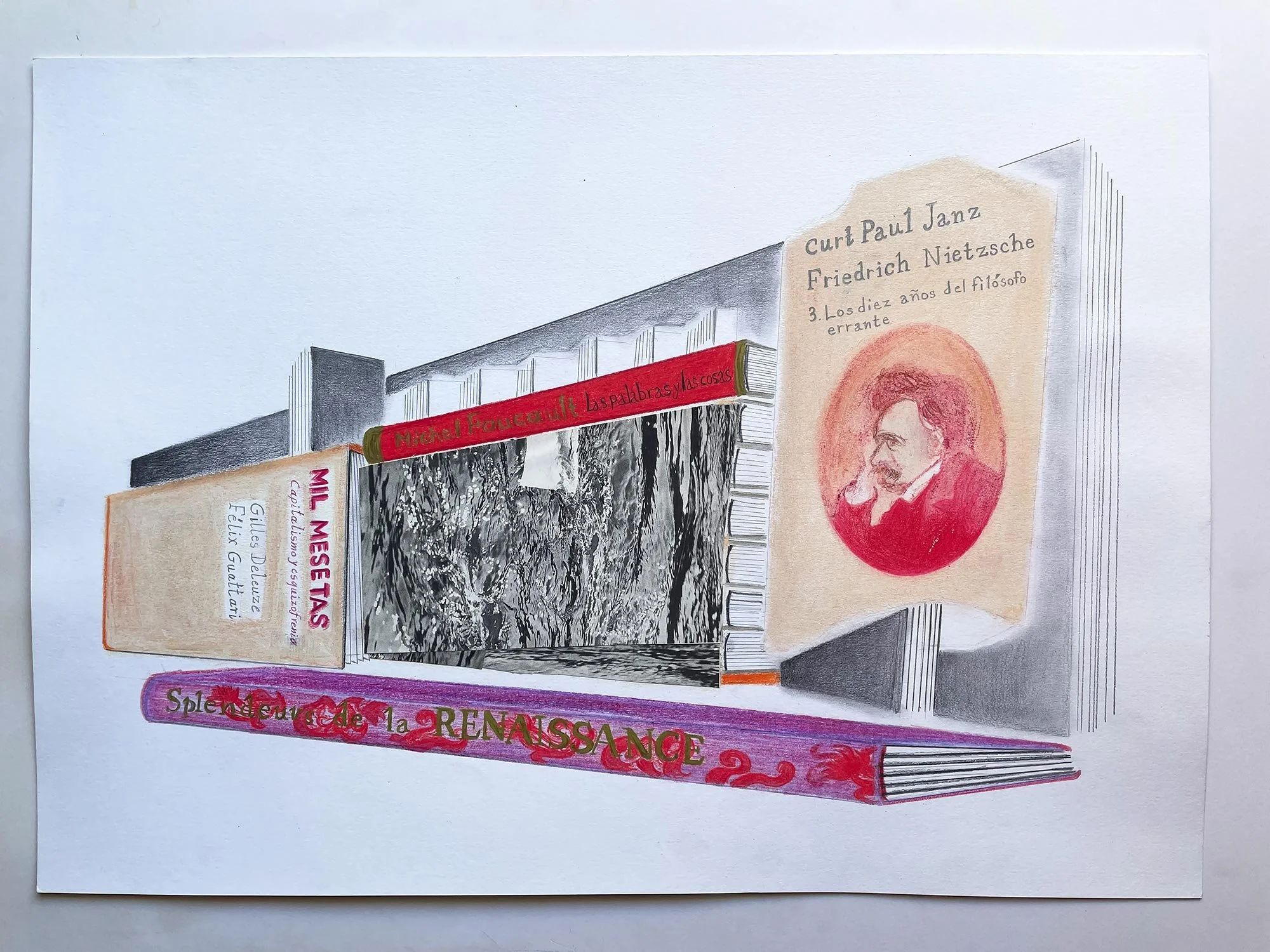
MACBA Barcelona, Spain - drawing & collage on paper, 50x70cm

Museum of Contemporary Art Sydney, Australia - drawing & collage on paper, 50x70cm
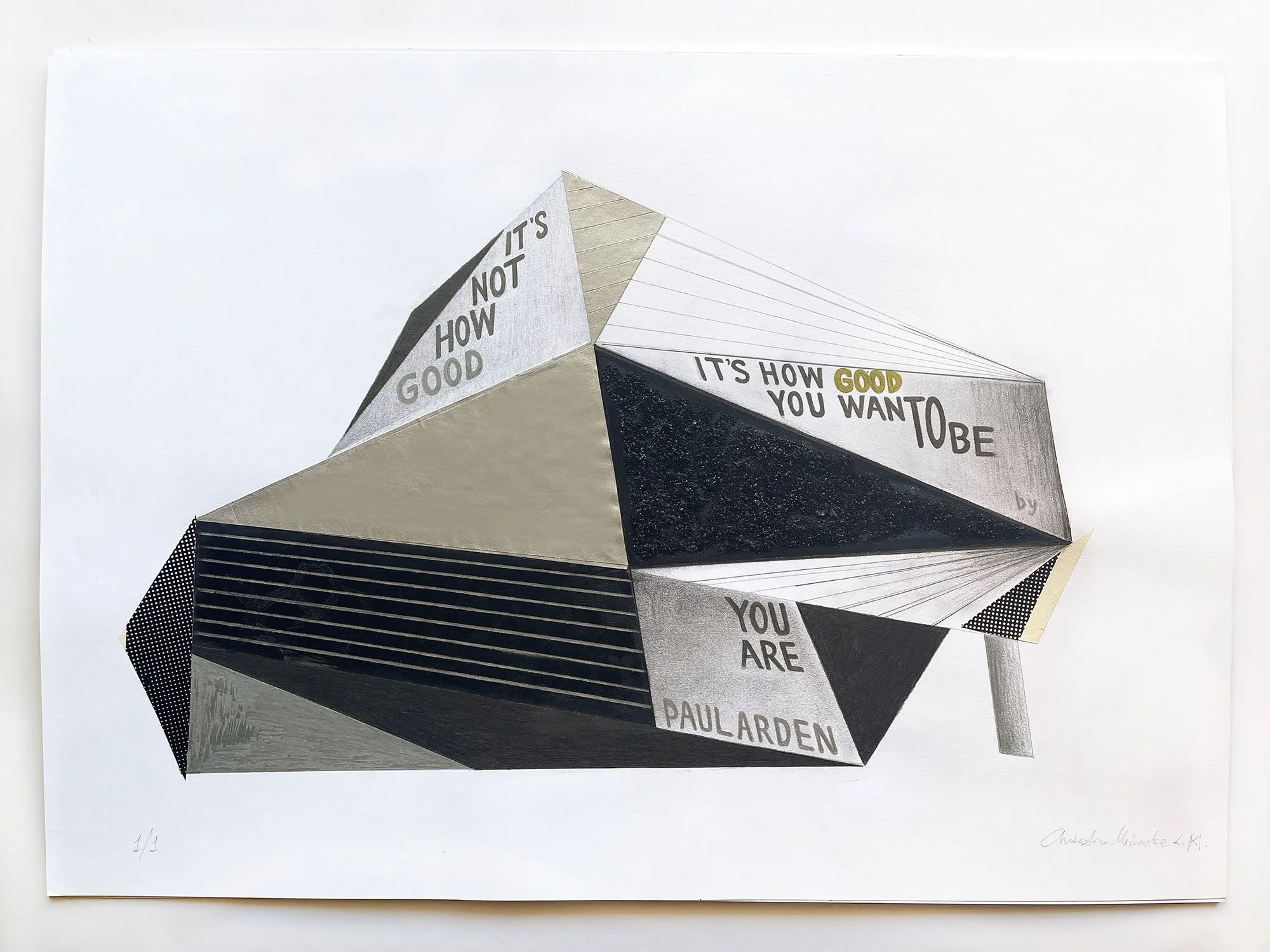
Museum Tel Aviv, Israel - pencils & collage on paper, 50x70cm
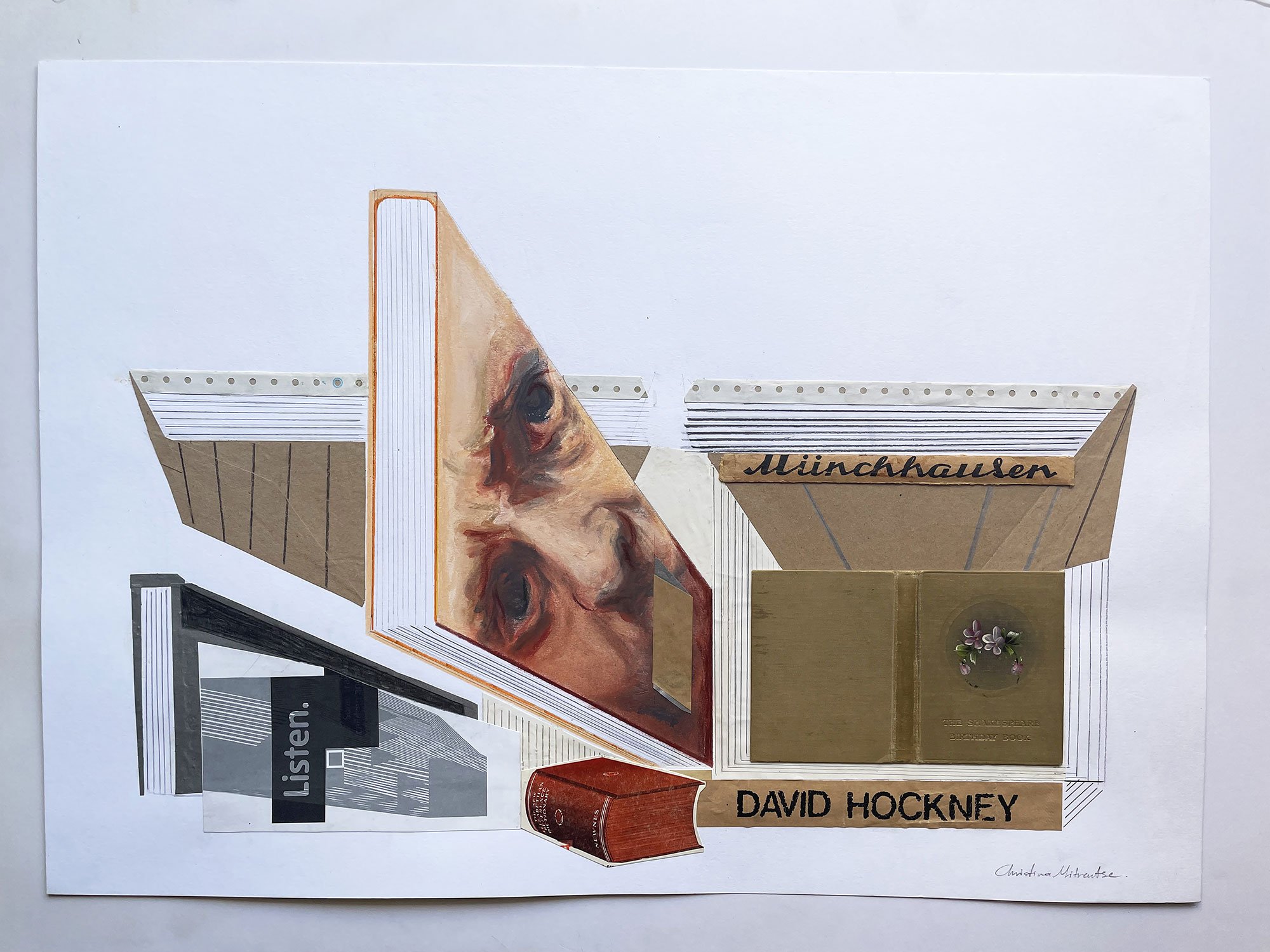
National Portrait Gallery, Candella Australia - drawing & collage on paper, 50x70cm
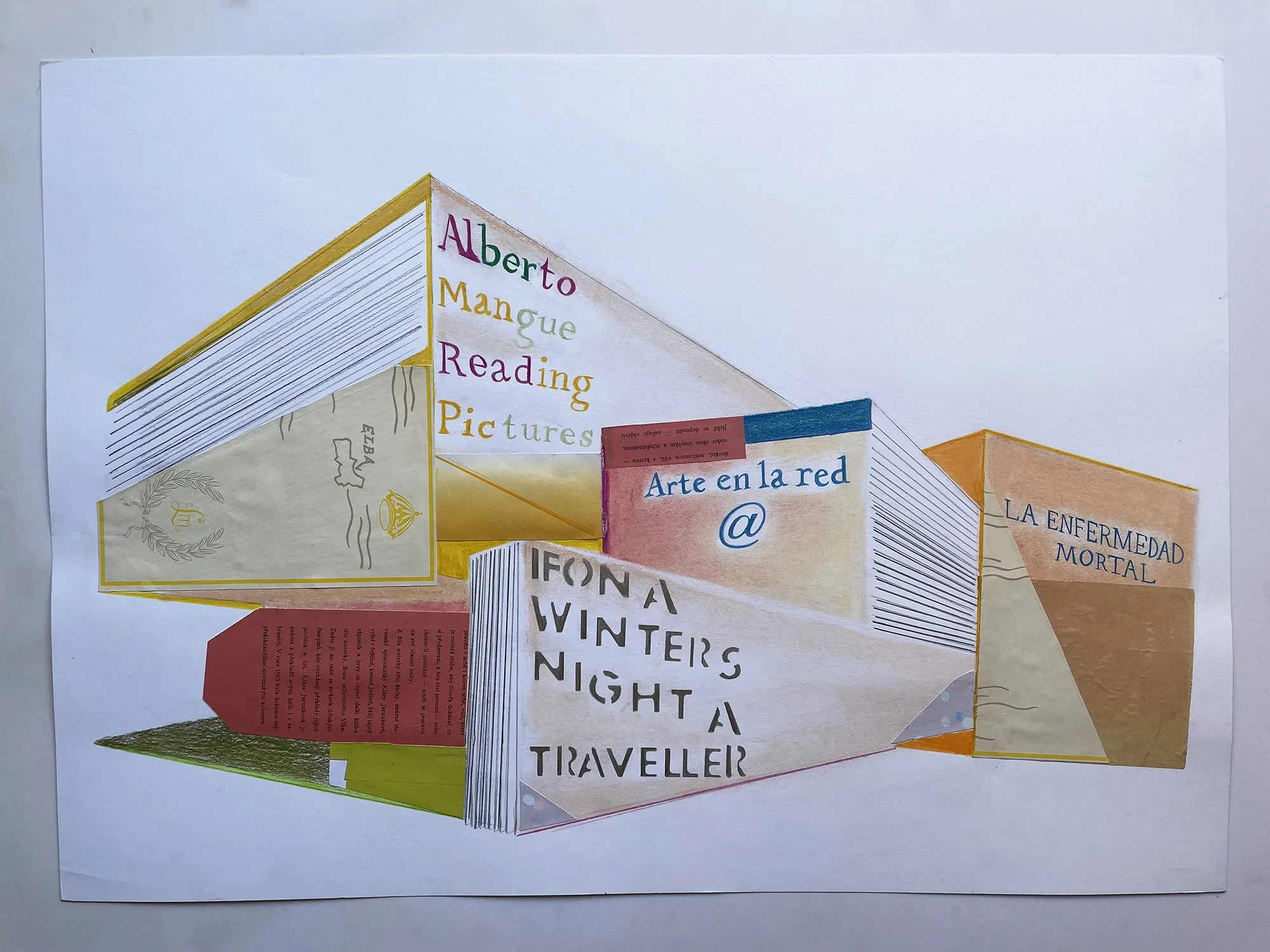
Nerman Museum of Contemporary Art, Cansas, USA - drawing on paper 50x70cm
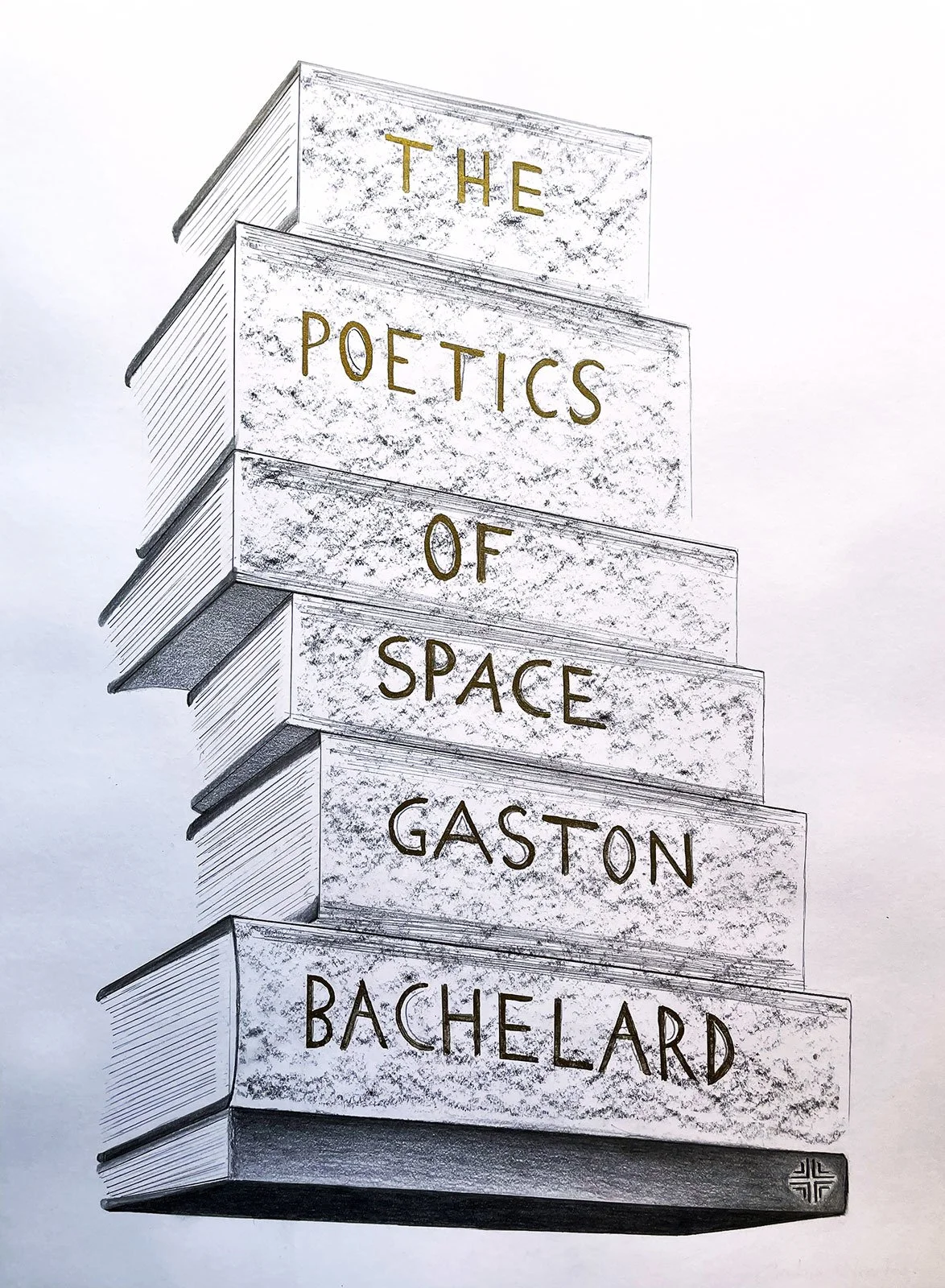
The New Museum N.Y, pencil and ink on 300gsm paper, 50 x70cm
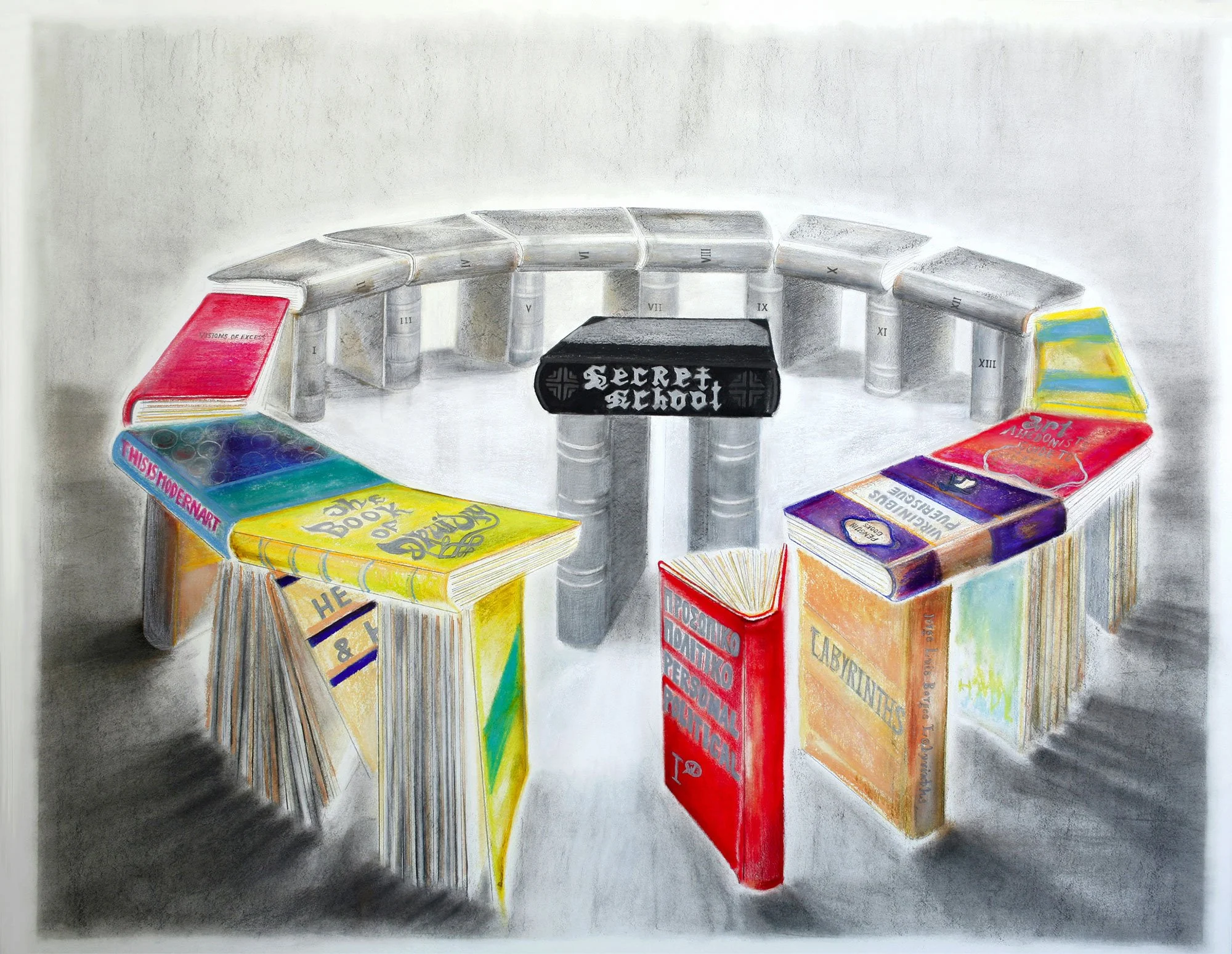
Stonehenge, pencils and pastels on 300gsm paper, 150x120cm
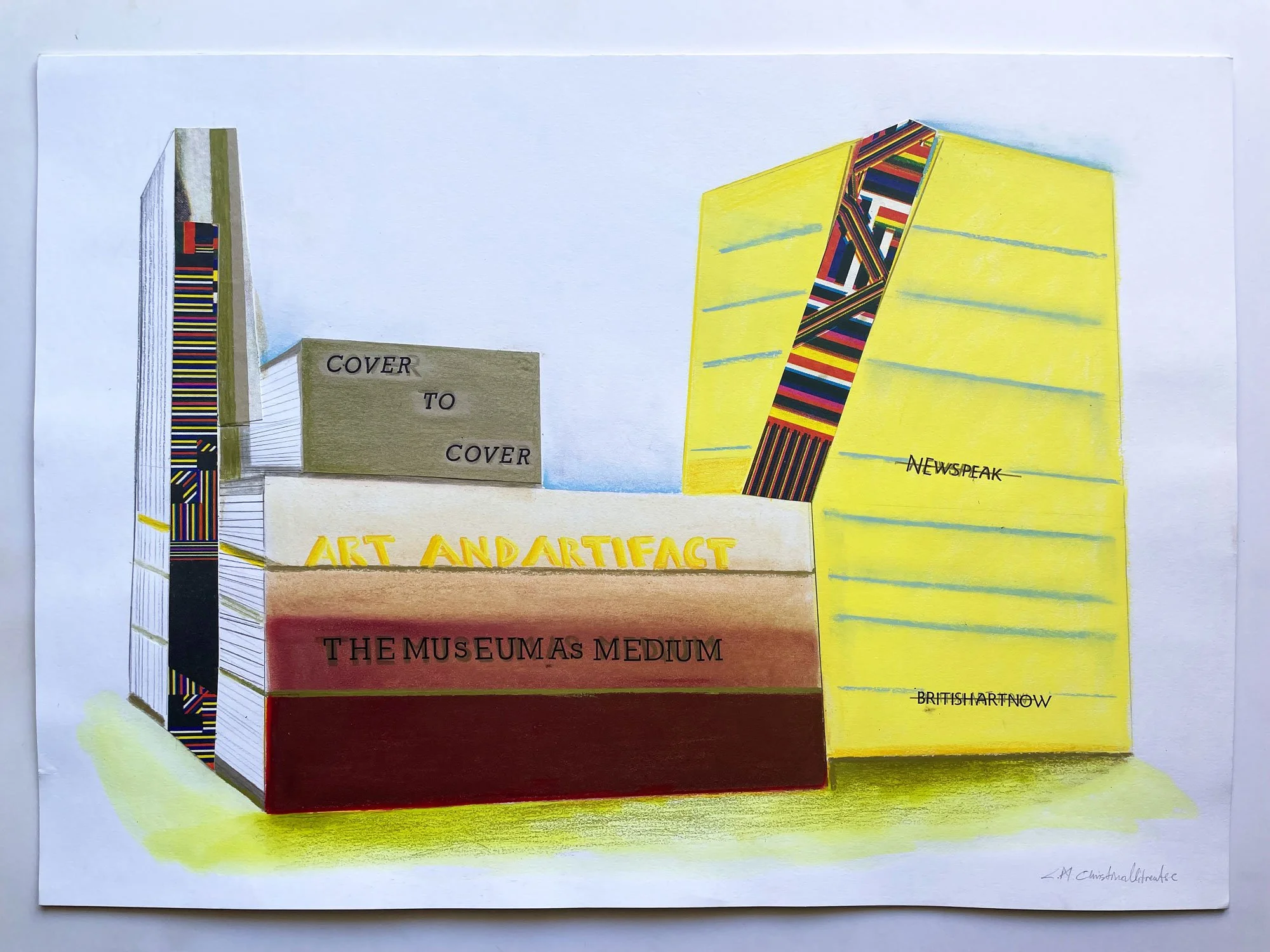
TATE MODERN, drawing and collage on 300gsm paper, 50 x70cm
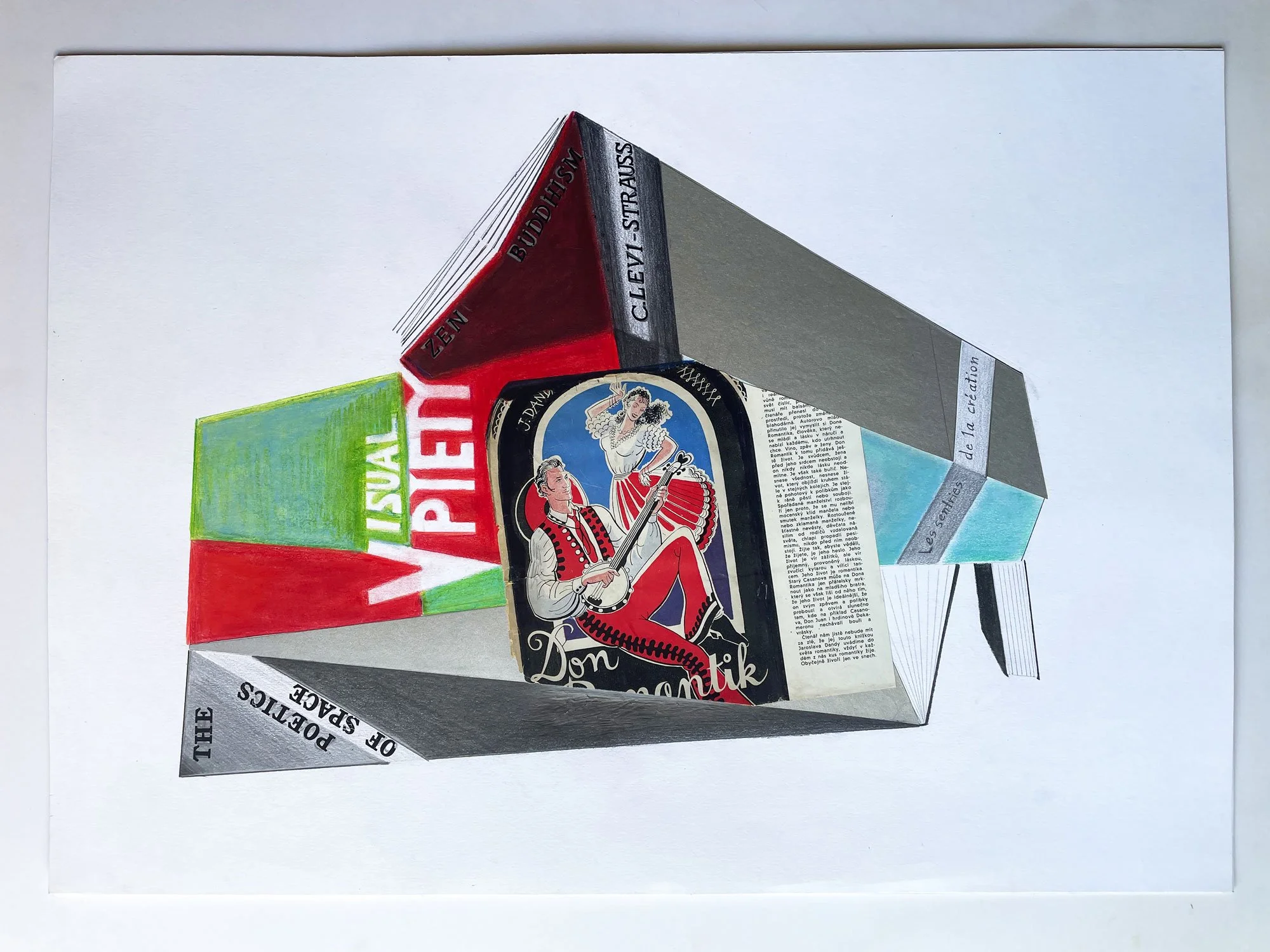
Museum Tel Aviv, Israel -pencils & collage on 300gsm paper, 50x70cm
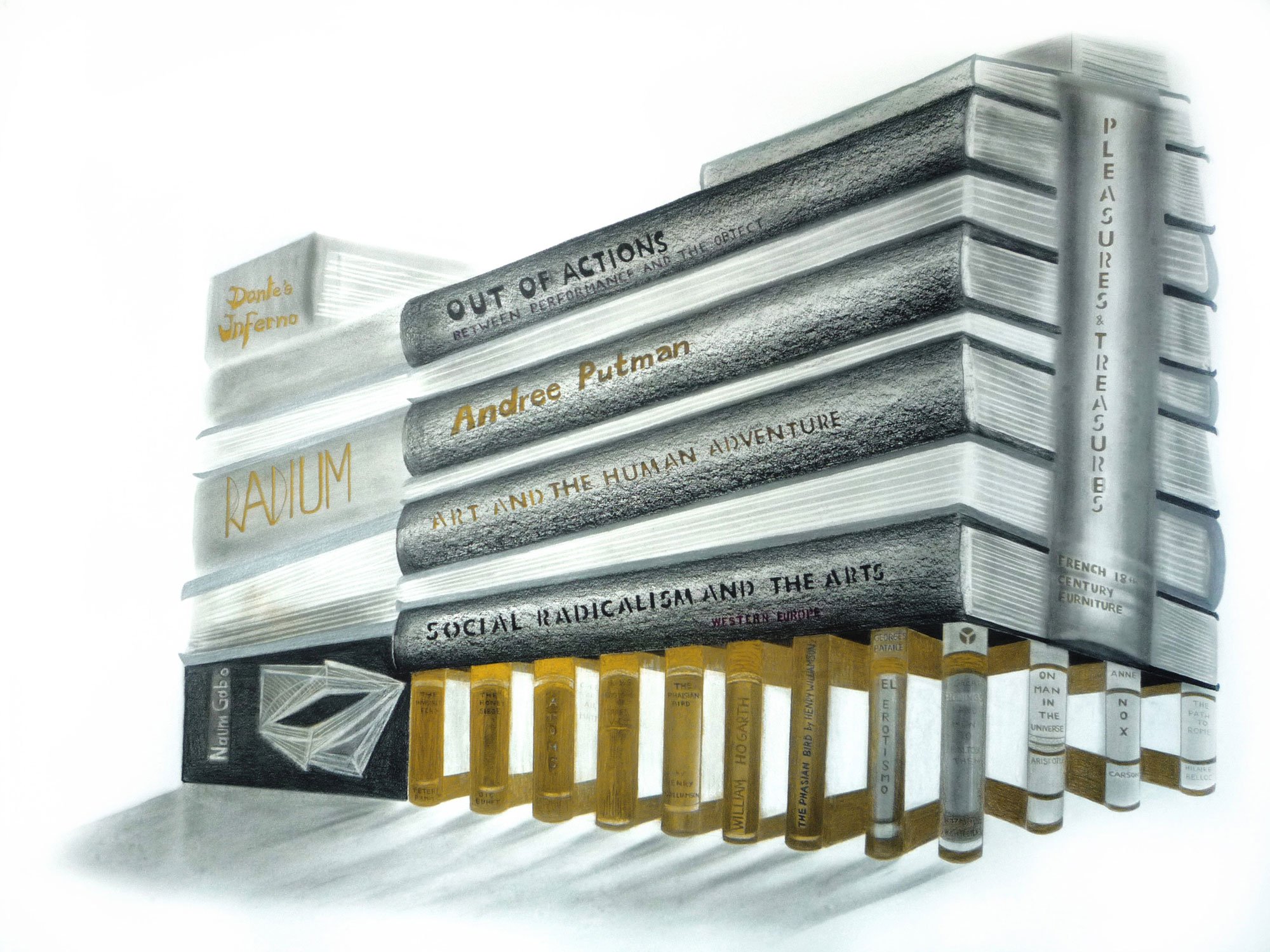
WIELS, Brussels Contemporary Art Centre - colored pencils on 450gsm paper, 150 x 120 cm
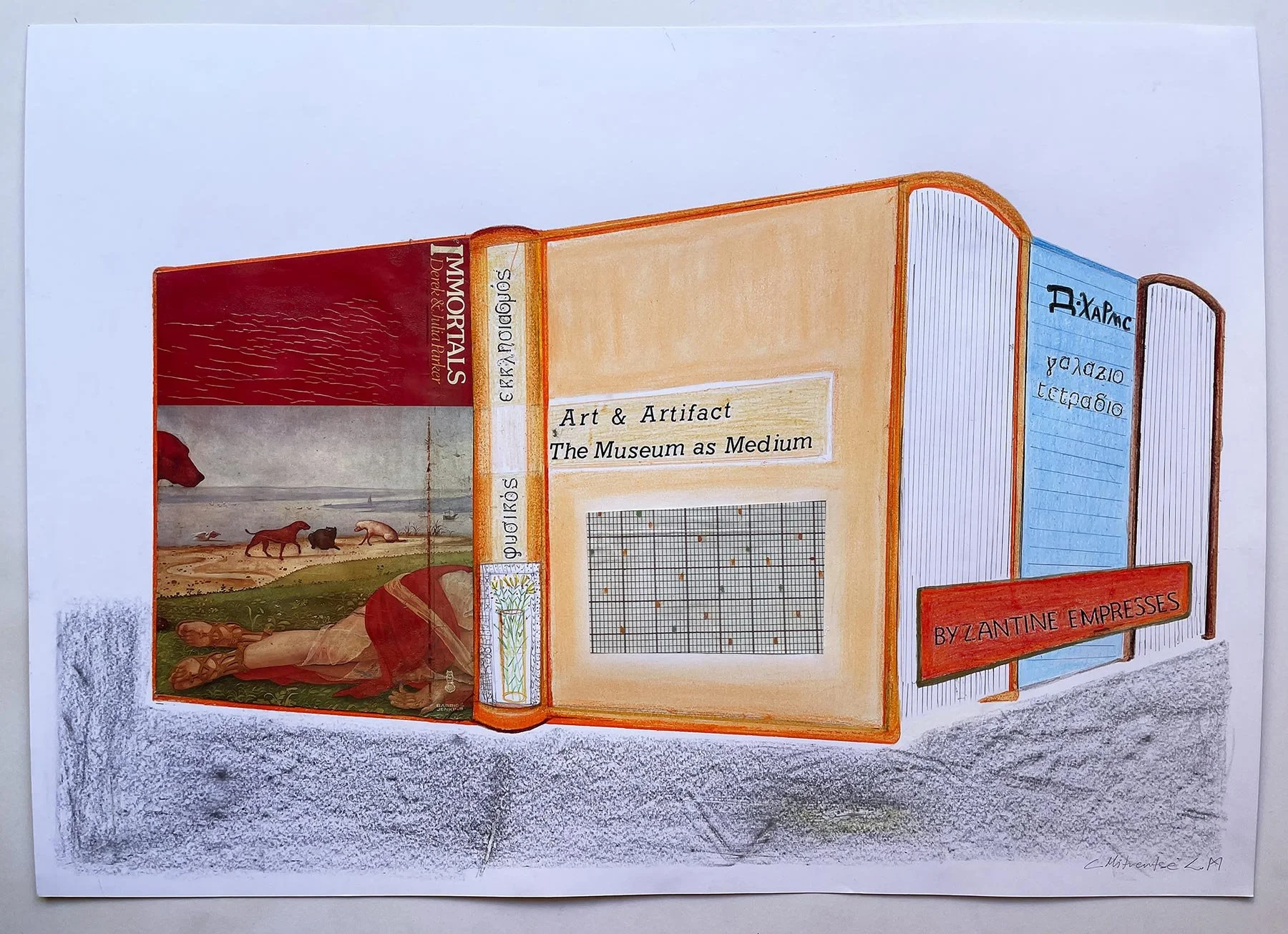
Benaki Museum, Peiraus, Greece - mixed media collage on 300gsm paper, 50x70cm, 2022
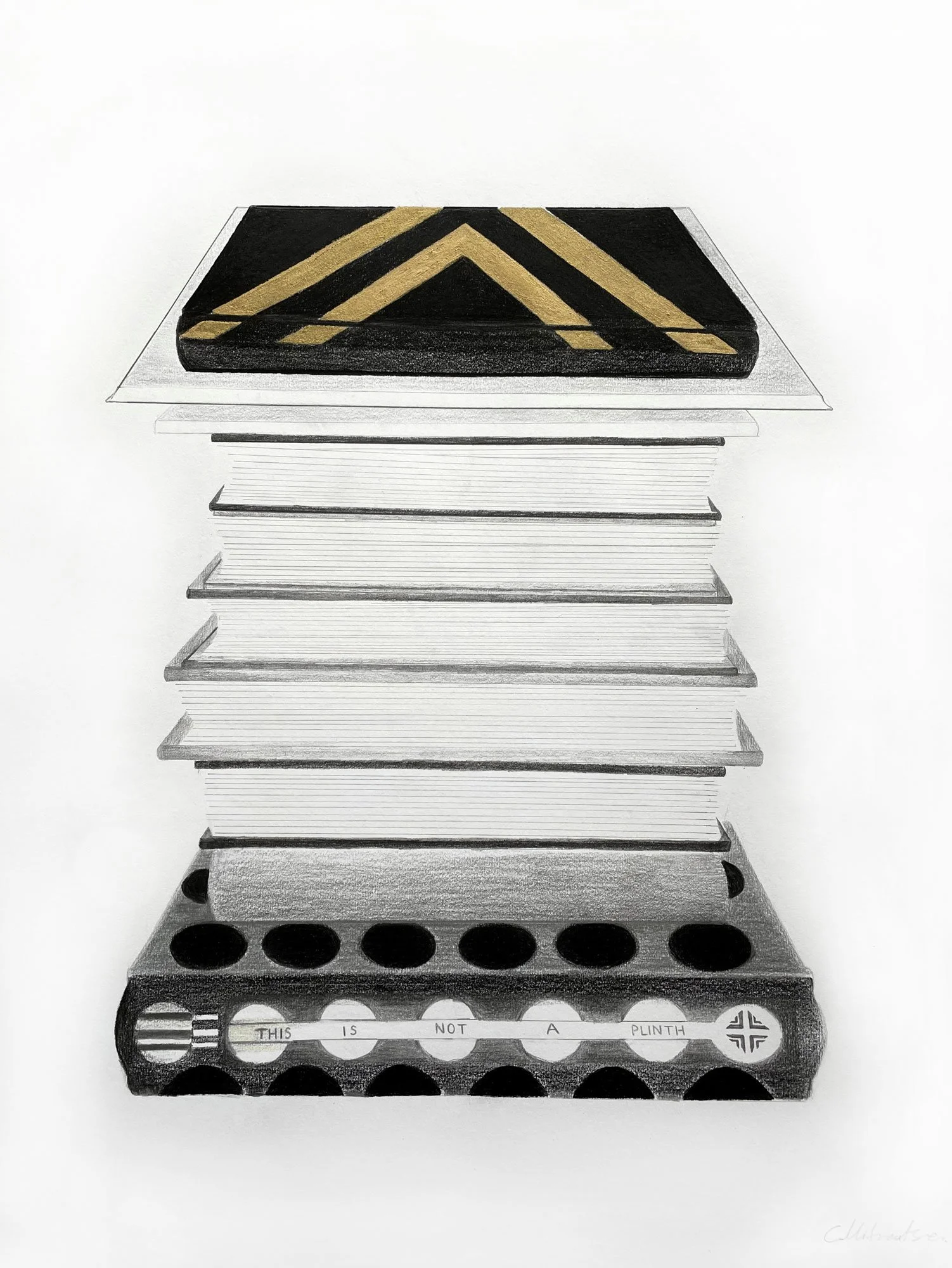
TOTEM I - pencil and ink on paper, 50x70cm
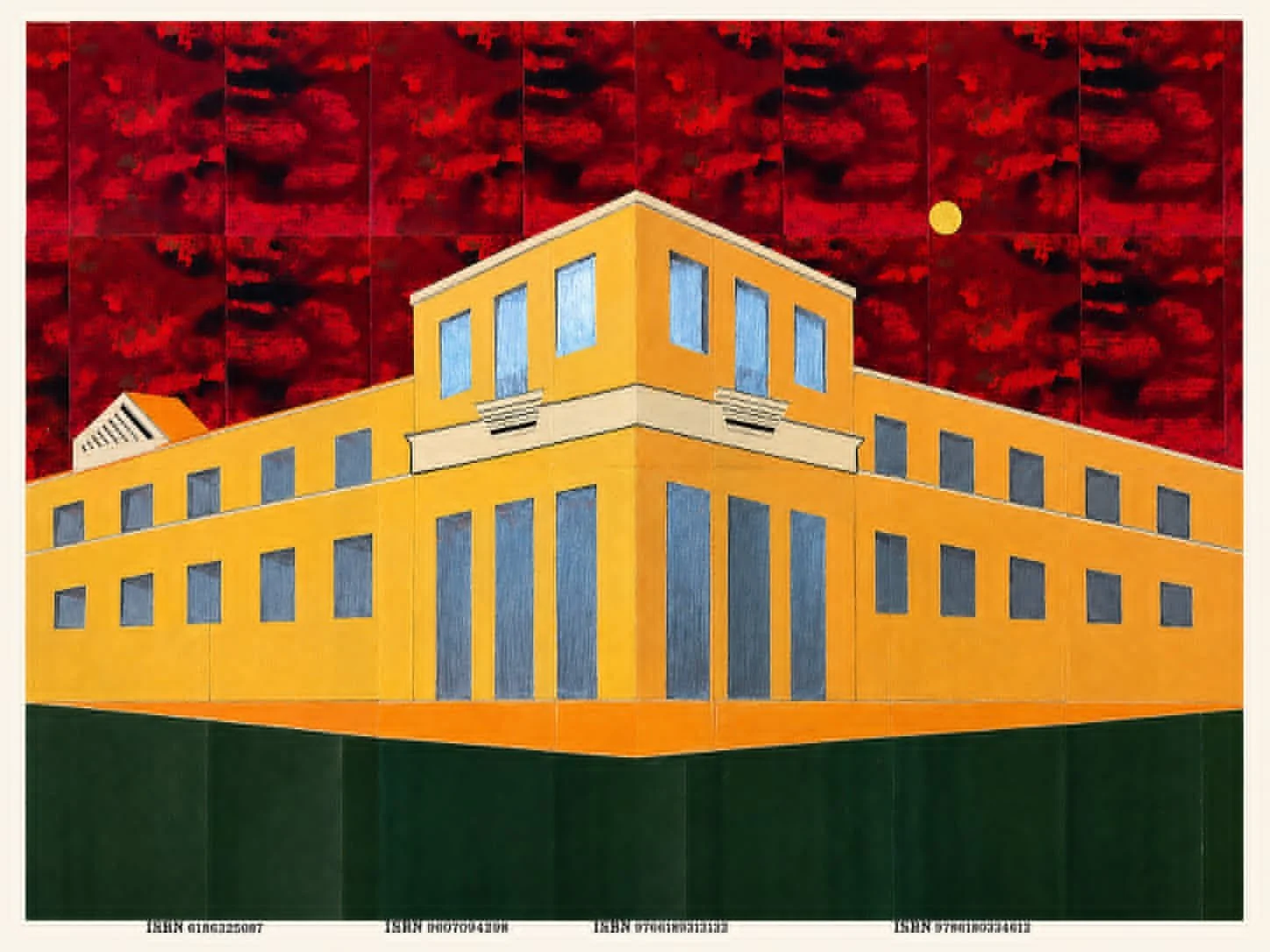
Metaxourgeio, pastels and pencils on endpapers and book pages, 50 × 70 cm, 2026
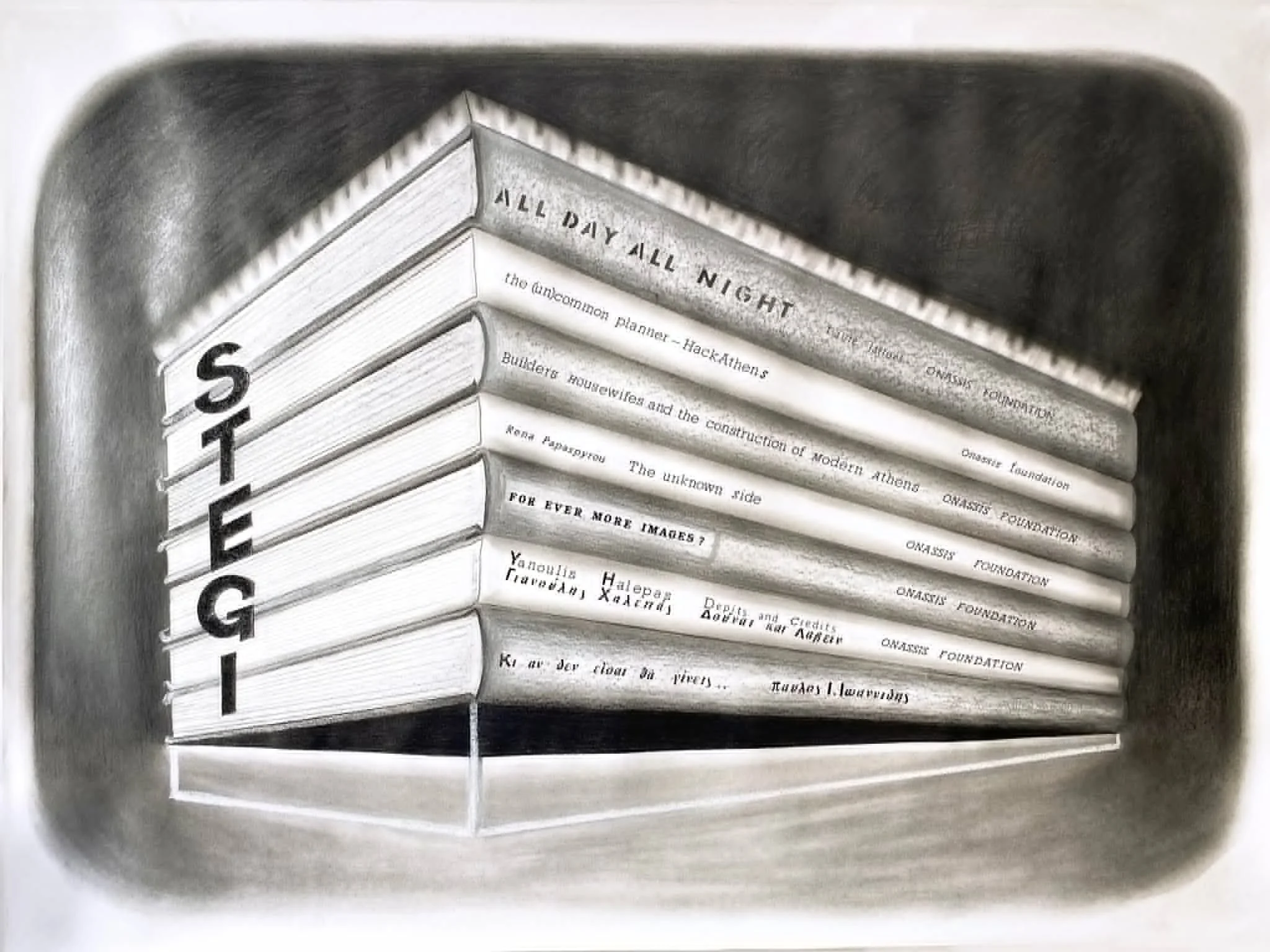
Stegi – Onassis, mixed media on paper, 120 x 150 cm, 2023